
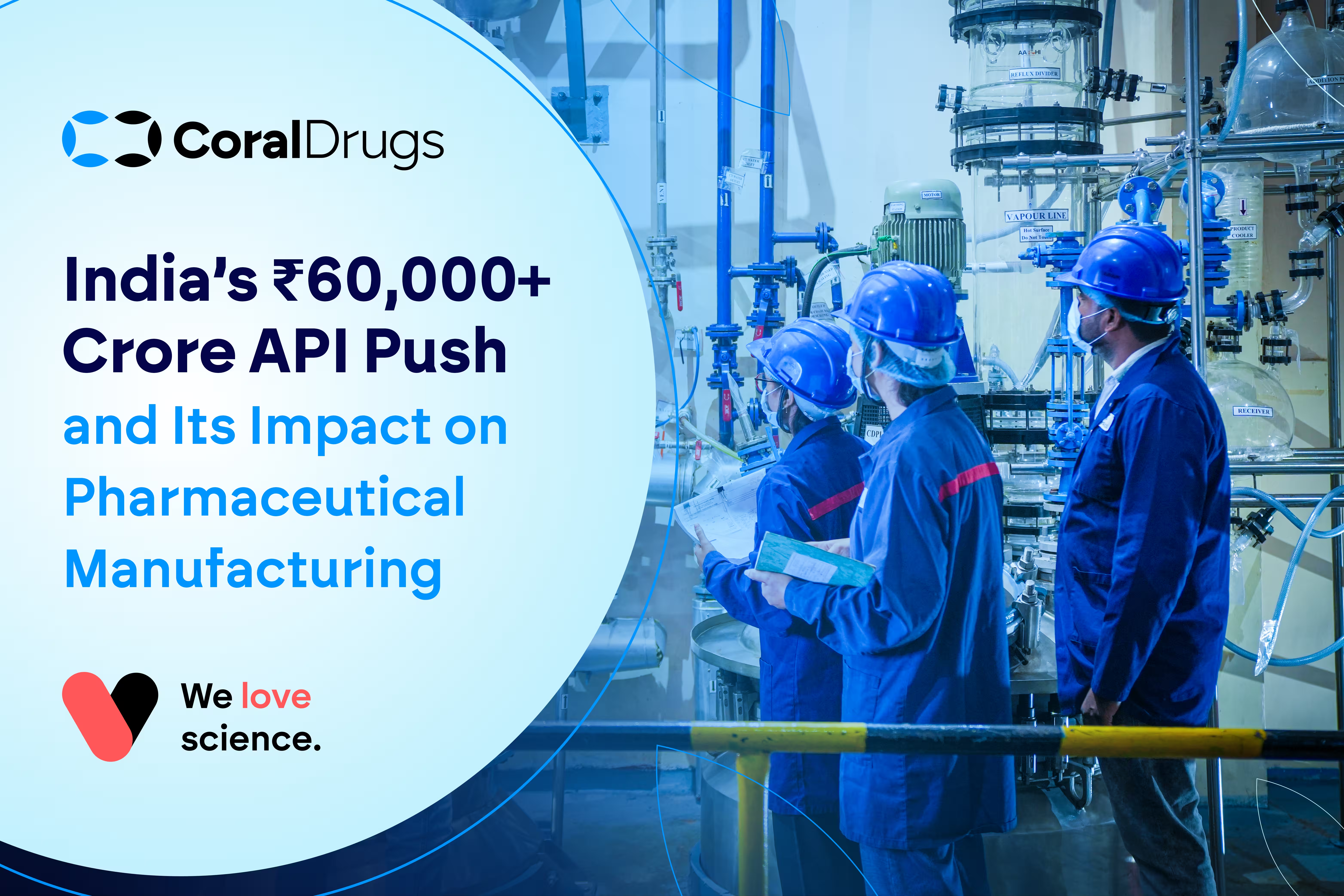
India’s ₹60,000+ Crore API Push and Its Impact on Pharmaceutical Manufacturing
India’s pharmaceutical sector is undergoing a structural shift as API manufacturing in India receives focused policy support and large-scale investment exceeding ₹60,000 crore. This push is aimed at reducing long-standing import dependence, strengthening domestic supply chains, and reinforcing India’s position as a reliable global pharmaceutical manufacturing hub.
A key component of this transformation is the development of bulk drug parks across multiple states. These parks are designed to provide shared infrastructure such as utilities, effluent treatment systems, and warehousing, enabling manufacturers to operate more efficiently while meeting regulatory and environmental requirements. By lowering operational barriers, bulk drug parks are expected to support scalable and sustainable API production.
Complementing this infrastructure-led approach, the Production Linked Incentive (PLI) scheme for bulk drugs is accelerating domestic manufacturing of critical active pharmaceutical ingredients (APIs), key starting materials, and intermediates that were previously imported. The scheme has already resulted in measurable capacity creation, increased domestic production, and reduced import exposure, contributing to greater resilience in the pharmaceutical supply chain.
Beyond capacity expansion, these initiatives signal a broader evolution in industry expectations. Greater emphasis is being placed on quality systems, regulatory compliance, traceability, and long-term supply reliability, factors that are increasingly important for both domestic and international pharmaceutical partners.
At Coral Drugs, we view this policy momentum as an important step toward building a more resilient, future-ready pharmaceutical ecosystem. As India’s API manufacturing capabilities continue to strengthen, manufacturers aligned with quality, compliance, and sustainable growth will play a critical role in supporting global healthcare needs.
Follow us on LinkedIn to stay updated on industry insights, regulatory developments, and perspectives from India’s evolving API manufacturing landscape.
Source: Based on industry updates reported by eHealth Network (December 2025).
(Read the original article here)

